
Gyms have become essential places for those looking to maintain their physical fitness. The age criteria imposed by these establishments often raise questions. Is it really necessary to be a certain age to access these fitness spaces?
The rules vary from one gym to another. Some accept teenagers from the age of 14, while others set the limit at 16 or even 18 years. These restrictions are often justified by safety and liability considerations. It’s important to gather information before signing up.
Age Criteria for Starting Weightlifting in the Gym
Weightlifting, long reserved for an elite group of athletes, is now open to a broader audience, including young people in their growth phase. Dr. Wandji, a recognized expert, emphasizes the importance of motivation and concentration for young children engaging in this activity. Indeed, weightlifting can be practiced from adolescence, provided that exercises are adapted to each individual’s age and physical development.
Gyms, like Basic Fit, often impose a minimum age to access their facilities. For Basic Fit minimum age is set at 14 years, with the consent of a parent or legal guardian. This measure aims to ensure the safety and well-being of young practitioners.
Young people now represent an increasing share of gym-goers. Seniors visit gyms less frequently than before, despite the numerous health benefits this practice can offer. Well-supervised weightlifting can indeed help prevent many age-related pathologies. Therefore, the choice of a gym should take into account age criteria, as well as the specific needs of each age group. By adapting training programs, it is possible to practice weightlifting in a healthy and effective manner, regardless of the practitioner’s age.
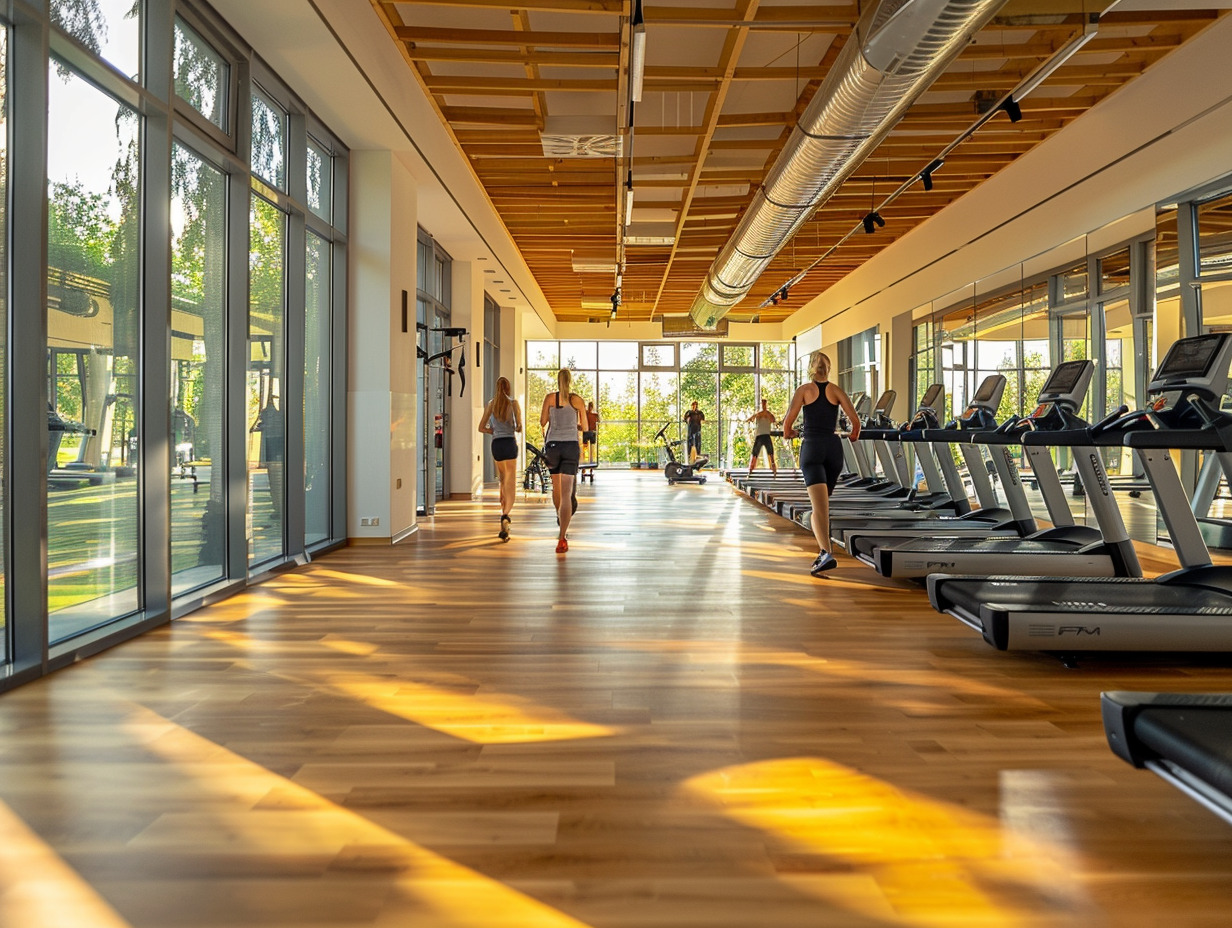
The Benefits and Precautions for Different Age Groups
Older adults are increasingly turning to weightlifting, not for aesthetic reasons, but for health benefits. According to a study by the Union Sport & Cycle, this trend is part of a desire to prevent age-related pathologies such as osteoporosis or cardiovascular diseases. COVID-19 has also shifted the priorities of weightlifting practitioners, directing motivations more towards health rather than appearance.
For young people, the Sport Pass offers a grant of 50 euros to finance registration in a sports facility. This program, managed by the Ministry of Sports, aims to encourage physical activity from a young age. Weightlifting, when well supervised, can help develop strength and coordination while instilling values of discipline and perseverance.
- For teenagers: opt for light muscle strengthening exercises, using body weight rather than heavy weights.
- For adults: vary exercises to avoid injuries and promote harmonious muscle development.
- For seniors: prioritize balance and flexibility exercises to prevent falls and improve quality of life.
In France and the EU, the aging population highlights the need to promote suitable sports practices. Dr. Wandji recommends regular medical follow-up to adjust training programs according to the specifics of each age group. Properly practiced weightlifting can thus be beneficial for everyone, provided that necessary precautions are respected.