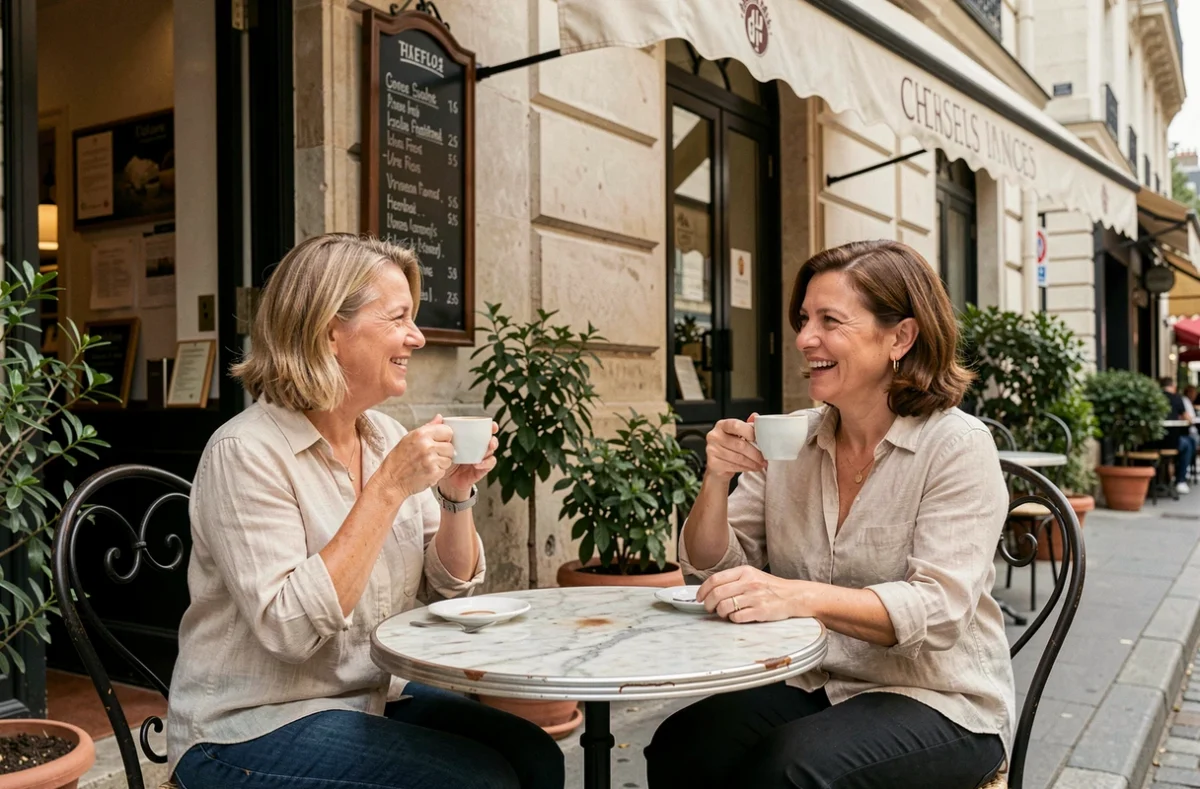
In France, the terms “bar” and “café” do not refer to two strictly separate legal categories. The distinction depends more on the drinks served, whether alcohol is consumed on the premises, and the type of licence held by the operator. A café that serves beer or wine is therefore subject to the same rules as any other establishment serving drinks. For a successful night out, the name on the sign matters less than what goes on inside.
Licences, menus and how a venue operates: what really sets a bar apart from a café
French regulations classify establishments according to the drinks they sell. Non-alcoholic drinks do not require an alcohol licence. A café that serves only espresso, tea and fruit juice therefore operates under a simpler set of rules.
As soon as an establishment serves alcohol on the premises, it must hold the appropriate licence. A cocktail bar, pub or even a café serving wine by the glass is subject to this requirement. The word “bar” or “café” on the sign is not enough to tell you what is on the menu.
To understand the difference between a bar and a café, check the drinks menu and see whether the establishment also serves food. As soon as a venue handles certain foods or serves meals, it must also comply with food hygiene rules for restaurants. A café-restaurant and a tapas bar therefore differ not only in atmosphere, but also in their health and safety requirements.
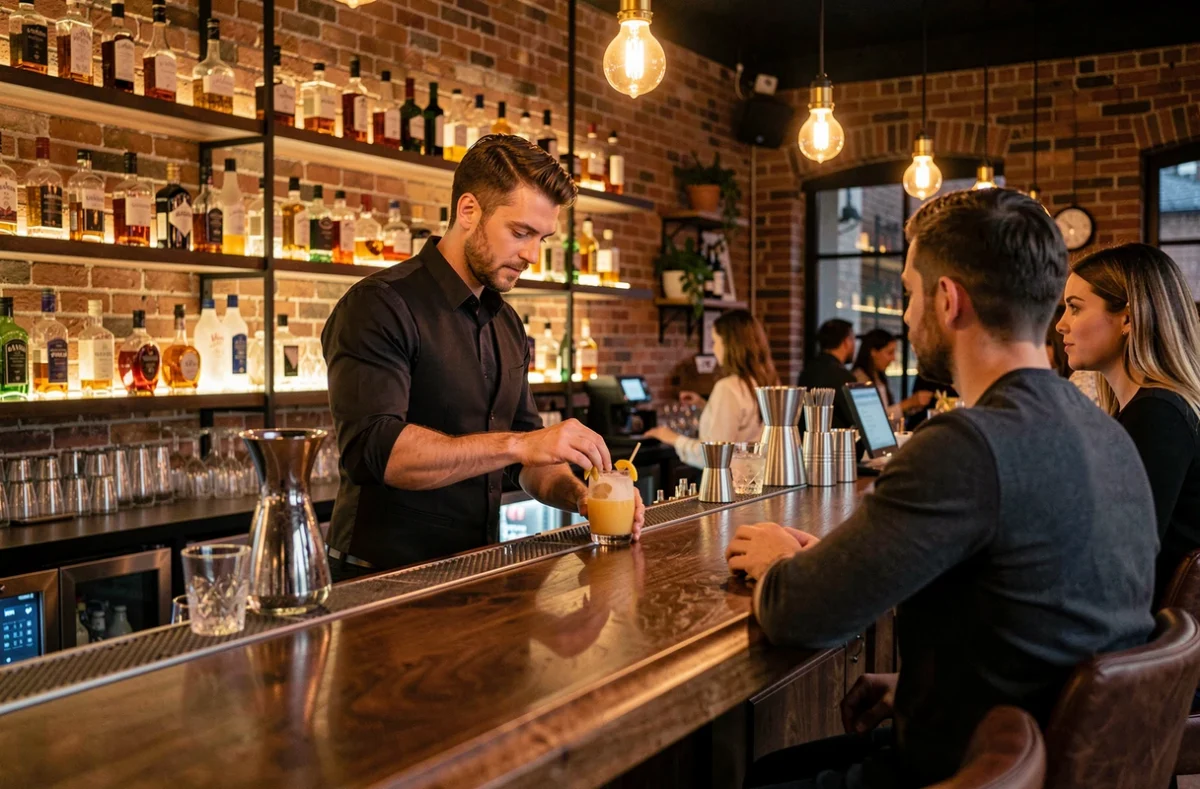
Noise levels and how long you plan to stay: two better indicators than the name on the sign
A common assumption is that a “café” is a quiet place and a “bar” is noisy. The reality is more nuanced. Playing amplified music comes with obligations relating to noise pollution, regardless of the type of establishment. A trendy café with a loud playlist will be noisier than a neighbourhood bar with no music.
Before heading out, these three checks are more useful than making assumptions:
- Whether there is live or amplified music, as shown on the venue’s social media or website, gives you a reliable indication of its usual noise level
- Local prefectural or municipal orders may regulate the opening hours of establishments serving drinks, meaning some bars may be quieter in the evening than you might expect
- The layout of the tables (a crowded counter, a terrace or a long, narrow room) directly affects how comfortable it is to have a long conversation
For a two-hour outing centred on conversation, a café with comfortable seating and no music is a better choice than a lounge bar with deep armchairs but loud music. The deciding factor is the atmosphere of the specific venue, not its category.
Going out without alcohol: bars are no longer off-limits
The image of the bar as a place reserved for people who drink alcohol is fading. Venues are expanding their range of non-alcoholic and low-alcohol drinks, partly in response to changing consumption habits among younger generations. Mocktails, alcohol-free beer, kombucha and craft sodas now have a firm place on the menu.
A bar can therefore be a good choice for an outing where nobody wants to drink alcohol. The right question is not “bar or café?” but “does the menu have what I want to drink?”
Cafés often have the advantage when it comes to food. Pastries, toast and cheese boards: a café serving light meals lets you combine a drink with a light bite without going somewhere else. A wine bar may also serve small plates, while a late-night bar might offer nothing more than peanuts. The line between the two formats is becoming less clear as operators diversify their offerings.
The case of multi-service cafés in rural areas
The Groupe SOS “1000 cafés” programme has supported more than 350 municipalities in keeping cafés open or creating new ones that also serve as community hubs and service centres. In these settings, a café does much more than serve drinks: it can also be a parcel collection point, a coworking space or a meeting place. Rural cafés play a social role that urban bars are not designed to fulfil.

A quick guide to choosing a venue for your outing
Rather than choosing between a “bar” and a “café” based on the name, here are some practical questions to ask yourself before booking or walking in.
| Criteria | Choose a café | Choose a bar |
|---|---|---|
| How long you plan to stay | Longer (2+ hours), reading or working | Short to medium, social outing |
| Preferred noise level | Quiet, easy to talk | Lively atmosphere, music |
| Non-alcoholic drinks | Usually a wide selection | Check the menu (mocktails, 0% beer) |
| Food served on site | Often available (light meals) | Varies; sometimes limited to snacks |
| Late opening (after 10 pm) | Rarely open | Depends on the licence and local orders |
This table simplifies general trends. Every establishment has its own positioning, and hybrid venues (café-bars, bar-restaurants, coffee shops with an alcohol licence) are increasingly common in both large cities and small towns.
The final choice depends less on the sign than on three things you can check in advance: the drinks menu, actual opening hours and usual noise level. Checking the venue’s Google page or recent reviews is the quickest way to find out whether it suits what you’re looking for that evening.