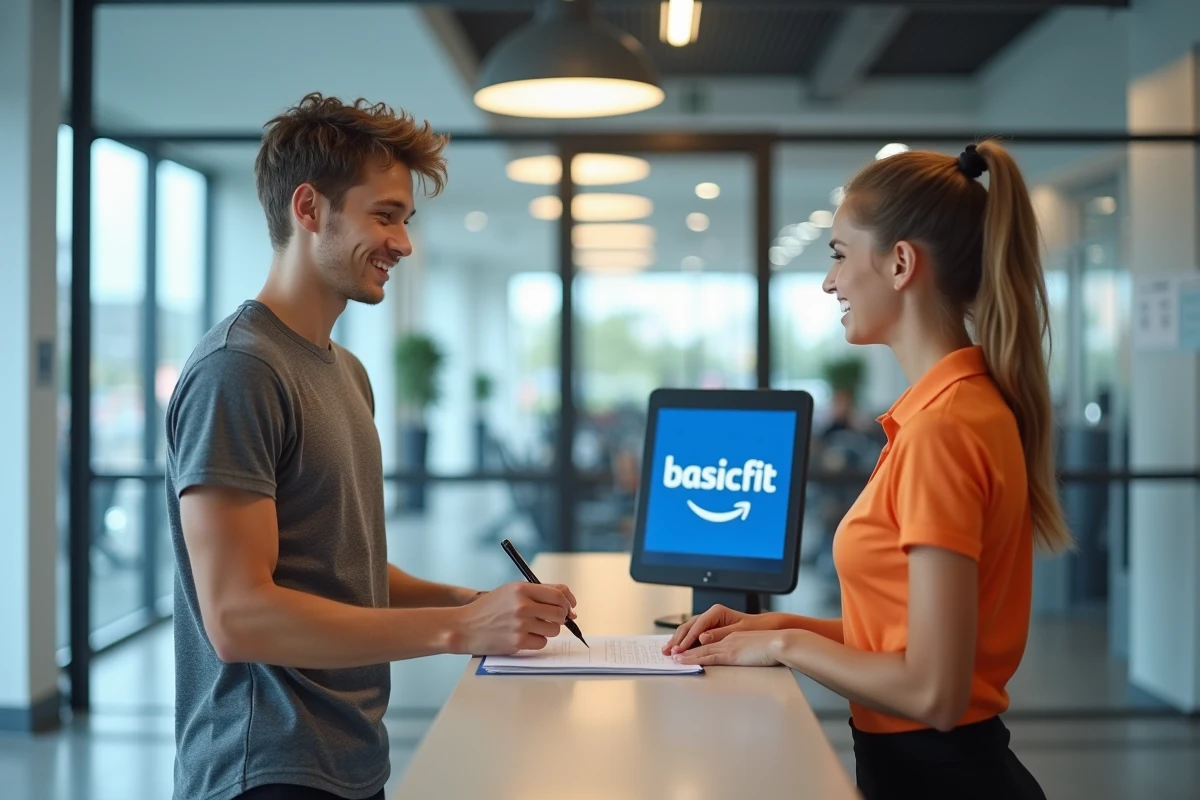
A 15-year-old wants to sign up for Basic-Fit after school. They go to the reception, ID card in hand, and leave without a membership. This scene repeats itself in most clubs of the network because the internal policy sets a strict age barrier, independent of any legal obligation.
Understanding the registration conditions at Basic-Fit when you are a minor involves distinguishing what the brand says, what the law states, and what actually happens in the club.
Legal capacity of minors and gym contracts
No French law imposes a minimum age for entering a private gym. The restriction comes from the contract. A gym membership is a contractual commitment, and a minor does not have full legal capacity to sign this type of document alone.
The general conditions of Basic-Fit provide for an explicit age verification and, for eligible minor members, the intervention of a legal representative. Here we find the logic of the Civil Code: a minor can perform certain routine acts of daily life, but the signing of a recurring subscription is not one of those routine acts.
Que Choisir has even described the practice of having minors sign directly without sufficient parental oversight as “questionable.” This legal point explains why brands set their own thresholds, with varying requirements for parental consent. You can delve deeper into the registration age at Basic Fit to see how these rules apply concretely according to age group.
Registration at Basic-Fit: the 16-year rule and required documents
Basic-Fit refuses registration for those under 16, even if accompanied by a parent. The threshold is set at 16 years old, with no possible exceptions in the club.
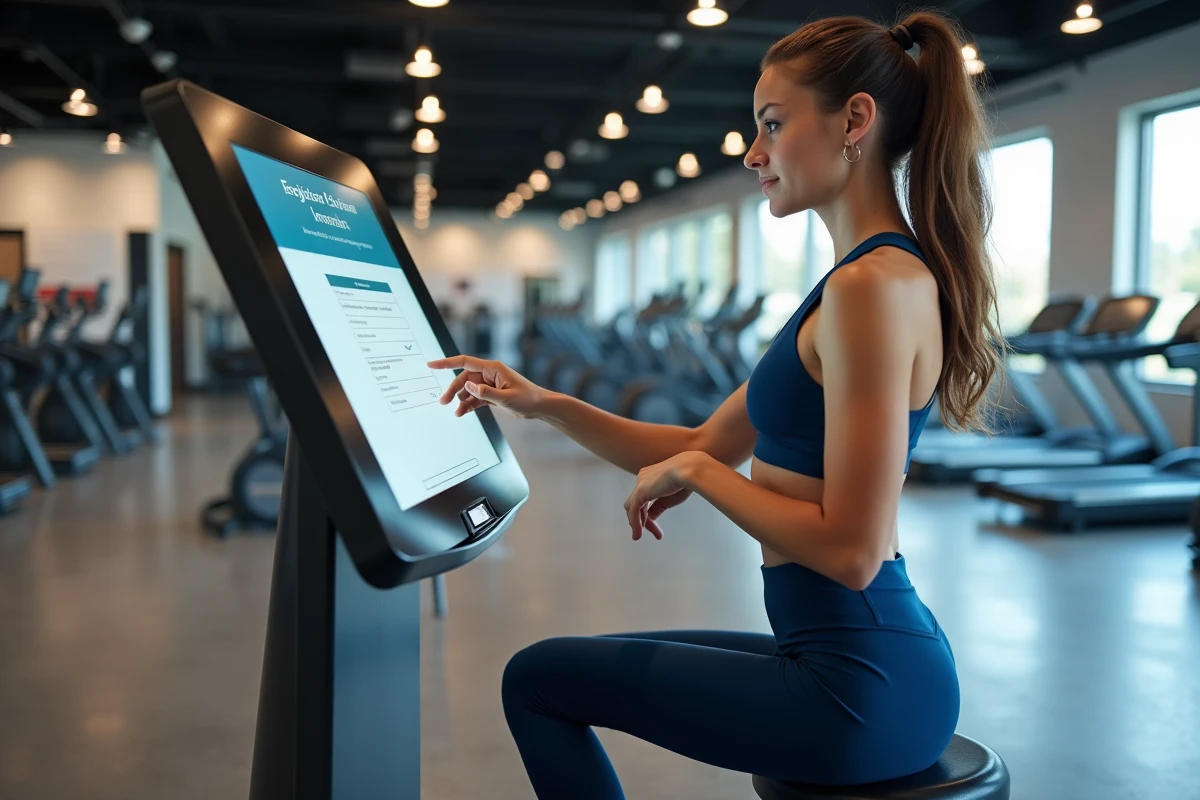
Between 16 and 18 years old, registration remains possible but is supervised. The minor cannot subscribe alone: a legal representative must validate the membership and accept the general conditions. In practice, this means that the parent or guardian must be present at the time of registration or provide the documents requested by the brand.
The documents usually required for a minor aged 16-17 are:
- An ID proving that the minor is at least 16 years old
- The signature of the legal representative on the subscription contract
- An ID of the parent or guardian who co-signs
The club verifies age at registration. Feedback varies on the strictness of daily access controls (badge, QR code), but the initial document verification is systematic.
Differences between Basic-Fit and gyms that accept from 12 or 14 years old
The 16-year threshold at Basic-Fit is not the market norm. Some competing brands open their doors as early as 12 or 14 years old, with adapted conditions. Each network’s choice is based on a trade-off between insurance, safety, and risk management.
Each brand sets its own rules in its internal regulations, without uniform legal constraints. A club that accepts a 14-year-old member will generally require a written parental authorization, sometimes a medical certificate, and may restrict access to certain areas or equipment (heavy weights, free weight training areas).
What truly distinguishes Basic-Fit on this subject is the large-scale low-cost model. Clubs often operate without permanent staff on the gym floor. The lack of continuous human supervision partly justifies the higher age threshold, as no one supervises a teenager on the machines outside of the times when a reception agent is present.
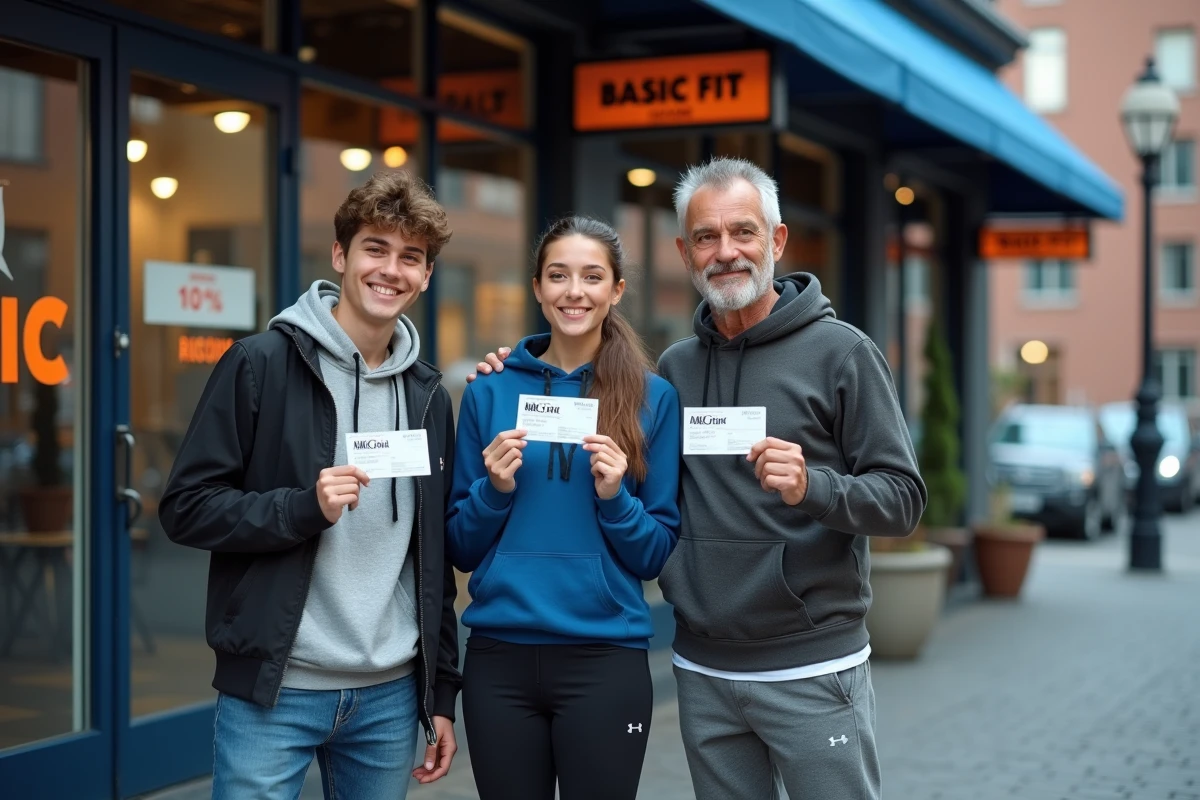
In a gym with permanent coaches, direct supervision allows for a lower access age. At Basic-Fit, the operation relies on the autonomy of the member, which assumes a level of physical and behavioral maturity that the brand places at 16 years old.
Concrete alternatives for a teenager under 16
When you are 14 or 15 years old and want to train in a gym, the Basic-Fit option is closed. Several avenues deserve to be explored depending on the situation.
Independent gyms and some franchises (Fitness Park, for example) sometimes have a lower minimum age. It is essential to check directly with the targeted club, as the rules vary from one franchise to another, even within the same network.
Municipal sports associations often offer supervised weight training sessions for teenagers, with a qualified sports educator. The cost is generally more accessible than a private gym membership.
- Independent gyms or franchises with a threshold of 14 years (check locally)
- Weight training or fitness sections of municipal sports clubs
- Bodyweight training at home or outdoors, with no age constraints
- Group classes in clubs (boxing, adapted crossfit) that accept minors with parental authorization
For a motivated teenager, bodyweight training remains a solid foundation. Exercises like push-ups, pull-ups, and squats engage all muscles without requiring access to a gym. One can structure a complete session around these movements before considering weight training.
Transitioning to a gym will naturally come at 16 for Basic-Fit, or earlier if the family finds a suitable club. Written parental authorization and direct communication with the club manager remain the two steps not to be skipped, regardless of the chosen network.