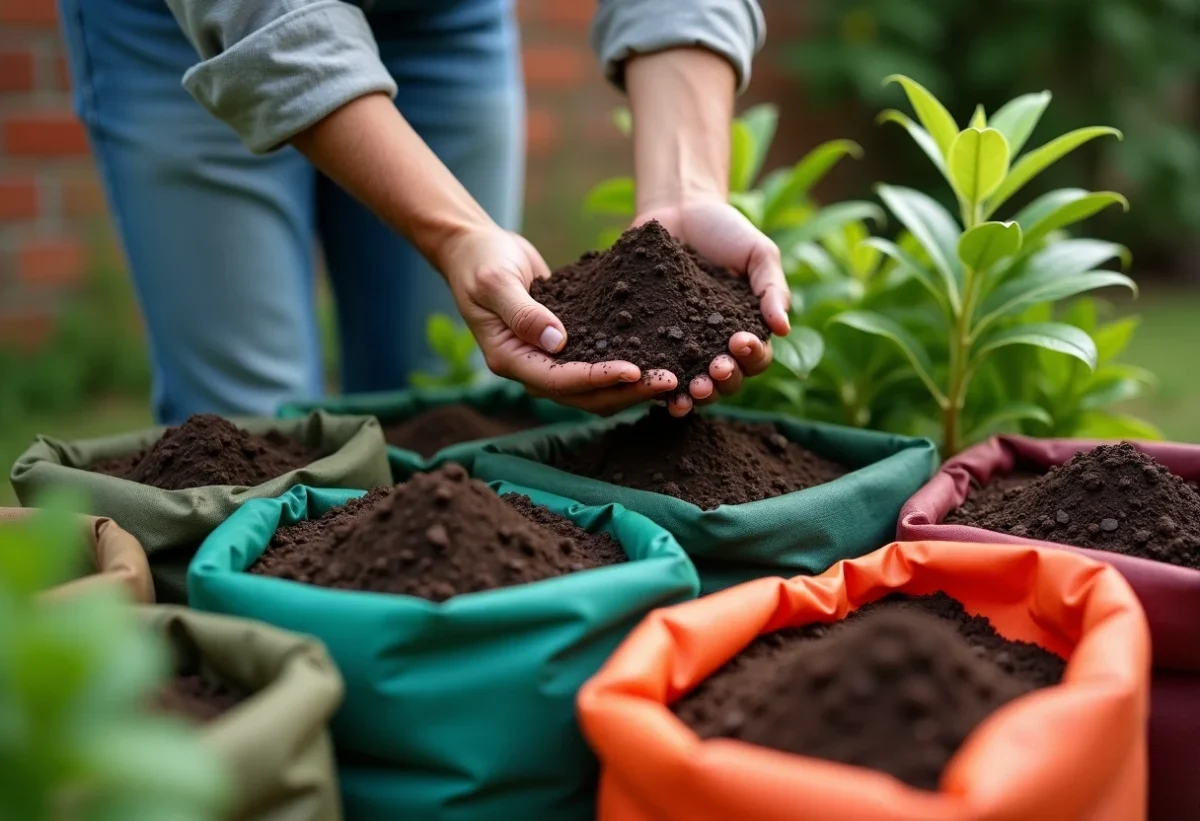
To achieve a lush garden, the choice of potting soil is fundamental. Indeed, the quality of the soil directly influences plant growth and the health of your garden. Good potting soil should provide a balanced structure, rich in essential nutrients and well-drained to prevent water accumulation.
Be sure to take into account the specific needs of each plant. For example, succulents prefer sandy soil, while vegetables appreciate a potting mix richer in organic matter. To maximize your chances of success, feel free to mix different types of potting soils and adjust according to the requirements of your plants.
Essential criteria for choosing the right potting soil
For optimal gardening, several criteria must be considered when choosing potting soil. Good potting soil contains a balanced proportion of dry matter and organic matter. Dry matter helps determine the water content of the potting soil, while organic matter promotes the retention of water and minerals.
The water retention capacity is another key factor. It indicates how much water the potting soil can retain, which is essential for ensuring adequate hydration of the plants. Potting soil with good water retention reduces the frequency of watering.
Physical and chemical characteristics
The pH of the potting soil, which measures the acidity or alkalinity of the substrate, should be suitable for the plants being grown. For example, rhododendrons prefer an acidic pH, while garden vegetables thrive in a neutral or slightly alkaline pH.
The electrical conductivity represents the substrate’s ability to conduct electric current, reflecting the concentration of dissolved mineral salts. Too high conductivity can damage the roots of sensitive plants.
Fertilizers and exchange capacity
Good potting soil contains NPK fertilizers (Nitrogen, Phosphorus, Potassium) to nourish the plants. These elements are essential for plant growth and development. The cation exchange capacity (CEC) indicates the substrate’s ability to retain and exchange nutrients, thus ensuring a continuous supply of nutrients to the plants.
Example of potting soil
The Lidl Potting Soil is an example of a product that meets these criteria. It offers a good balance between organic and mineral matter, with adequate water retention capacity and a pH suitable for a wide range of plants. 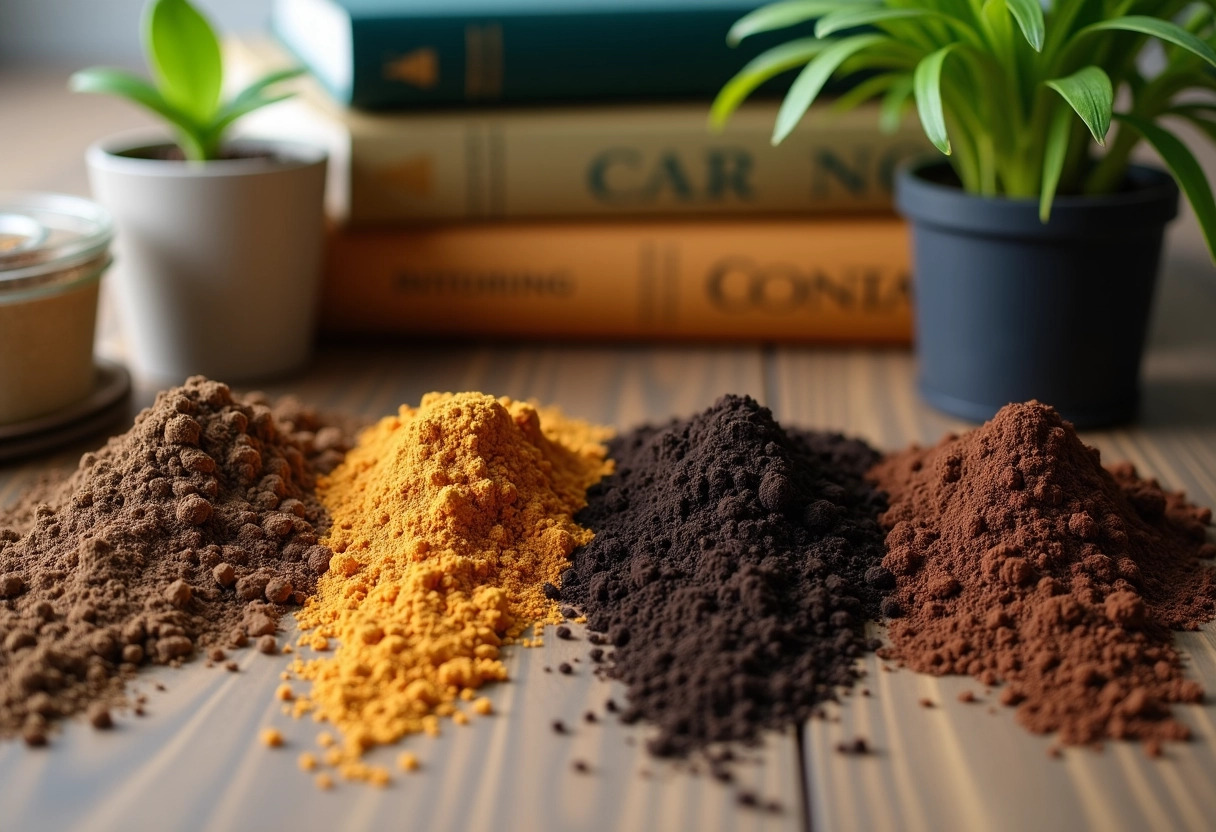
The different types of potting soils and their specific uses
Each type of potting soil has particular properties suited to the specific needs of plants. Universal potting soil is suitable for most indoor and outdoor plants, offering a good compromise in terms of water retention, aeration, and nutrient supply.
Specialized potting soil for specific plants
For plants with distinct requirements, choose specialized potting soil:
- Orchid potting soil: light and well-drained, often containing peat and bark.
- Citrus potting soil: rich in nutrients, it promotes growth and fruiting.
- Mediterranean plant potting soil: well-draining, containing sand and pumice.
Specific substrates for particular conditions
Some substrates are intended for specific growing conditions:
- Cactus and succulent potting soil: very draining, often composed of sand and gravel to avoid excess moisture.
- Bonsai potting soil: promotes good drainage and optimal aeration of the roots.
- Aquatic plant substrate: maintains good stability while allowing efficient water circulation.
Amendments and additional components
To enrich the potting soil, add amendments such as manure or seaweed. These components improve the structure and fertility of the soil, promoting healthy plant development.