In France, the way we furnish, decorate and maintain our homes has consequences that go beyond aesthetics. The second national survey on indoor air quality, conducted from 2020 to 2023 across 571 homes, with 170 pollutants measured, is a reminder that every choice of material, finish or household product affects the air we breathe every day.
At the same time, the timetable for banning rentals of energy-inefficient homes is pushing millions of property owners to renovate, sometimes with unexpected consequences for summer comfort. This context is reshaping priorities when it comes to interior design.
Indoor air quality and decorating choices
Paints, varnishes, adhesives, engineered-wood furniture, cleaning products and air fresheners are among the sources of volatile organic compounds and aldehydes identified in Vidal’s analysis of indoor air quality. Choosing a new sofa, repainting a wall or installing laminate flooring is not a trivial decision when it comes to the air you breathe.
The 2020–2023 national survey found an overall improvement compared with 2003–2005, but some homes still exceeded reference levels for certain pollutants.
If you’re renovating or redecorating, consulting platforms such as home on Muchos can help you consider decorating, home improvement and maintenance together before choosing materials.
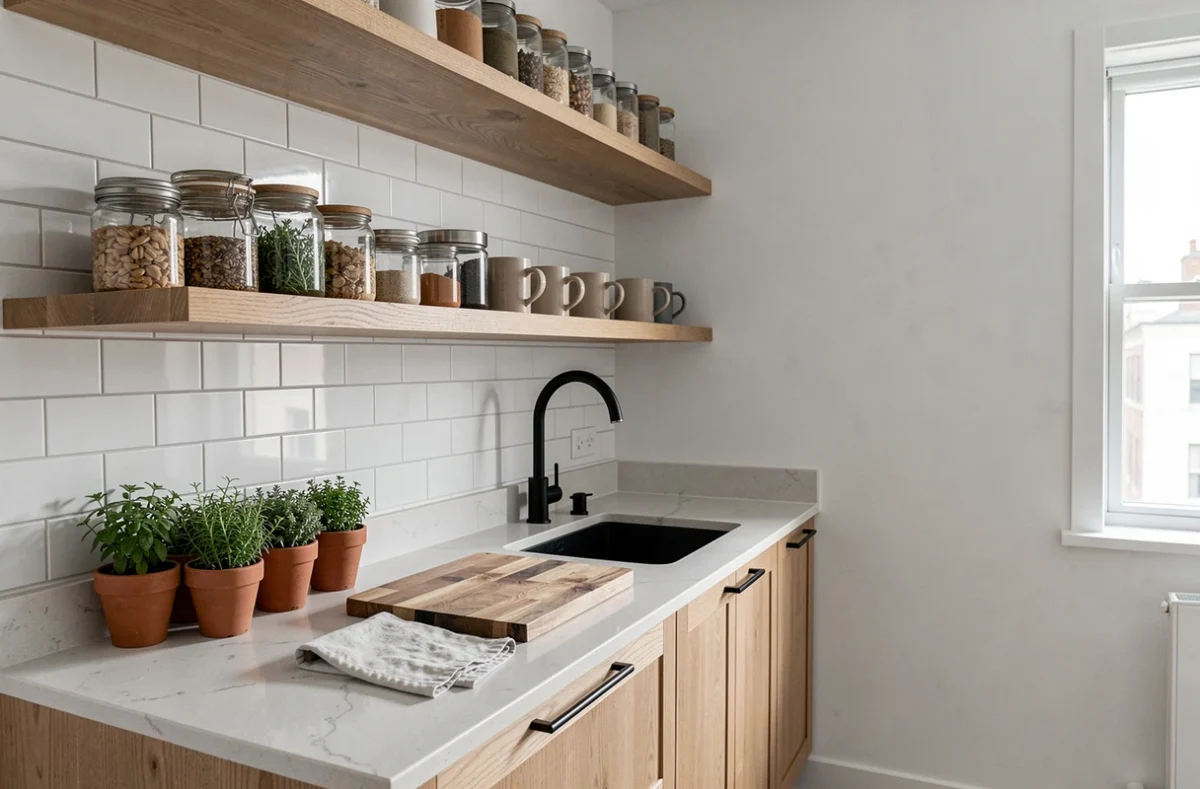
In practice, ventilation remains the most effective and least expensive solution. A beautifully decorated but poorly ventilated home traps pollutants released by new materials. Check that mechanical ventilation systems are working properly, avoid blocking air inlets with curtains or furniture, and air out rooms after any work (painting, flooring installation or intensive cleaning). These habits are as much about maintenance as they are about health.
Energy-efficient renovations and summer comfort: a blind spot
The timetable for banning rentals of energy-inefficient homes is driving widespread insulation work, while successive deadlines are accelerating the pace of renovations.
This trend is generating a huge amount of interior work: insulating walls from the inside, replacing windows and installing heat-recovery ventilation systems. Interior design is becoming intertwined with energy-efficient renovation, and aesthetic trade-offs (the thickness of wall linings reducing living space, the choice of windows and doors, and the integration of ductwork) are becoming design decisions in their own right.
One issue is still rarely covered in decorating guides: some homeowners who have renovated find that their homes also retain heat in summer. An article on the debate over the DPE reports that the current assessment of summer comfort does not affect the final DPE rating. In other words, a home can receive a good energy rating and still be uncomfortable from June to September.
What this means for interior design
When insulating from the inside, choosing solar protection (shutters, blinds and heat-control window film) and planning for nighttime ventilation become design considerations, not accessories to add later. Including roller shutters in the budget from the outset, allowing for windows large enough to enable cross-ventilation, and choosing light colors for south-facing façades are decisions that affect both décor and thermal performance.

Redesigning your living room and kitchen without tearing everything out
Inspiration galleries are full of photos of open-plan kitchens and living spaces without dividing walls. Before knocking down a wall, there are a few things worth checking:
- A load-bearing wall cannot be removed without a structural assessment. Having a structural engineering firm carry out an inspection before any work can prevent damage that could cost tens of thousands of euros to repair.
- Opening the kitchen onto the living room changes how odors, moisture and noise travel. An extractor hood vented outdoors handles these issues better than a recirculating hood, but it requires a duct leading outside.
- You can create a greater sense of space without removing every partition: a glass-and-steel partition, a half-wall or a central island creates a functional divide while letting in light.
- Flooring should be planned as a continuous surface if the wall is removed. Combining kitchen tiles with living-room wood flooring requires careful installation and a neat expansion joint to avoid an unsightly transition.
These decisions are more about the practicalities of everyday living than decorating trends. Good design solves a practical problem first, before meeting an aesthetic goal.
Routine maintenance: how to keep your décor looking good over time
How long an interior lasts depends less on the initial budget than on regular maintenance. A poorly maintained solid-wood floor will age faster than laminate flooring that is cleaned properly.
Mold on walls is a common winter problem caused by condensation. Airing rooms daily, keeping the temperature consistent and leaving space between furniture and exterior walls are among the most effective preventive measures. Treating mold as soon as it appears limits damage to plaster and paint.
For painted surfaces, washing them once a year with a suitable product (never use bleach on matte paint) helps preserve the color. Bathroom sealant, which is often overlooked, should be replaced every few years to prevent leaks that can cause deep structural damage.
Cleaning products and indoor air
The link between maintenance and air quality comes up again here: household cleaning products are among the sources of indoor pollutants identified by the national survey. Choosing products without synthetic fragrances, using the correct amount and ventilating while cleaning are simple habits that contribute to everyday comfort just as much as furniture choices do.
Furnishing, decorating and maintaining your home form an ongoing cycle in which each decision influences the next. The material chosen for its color will determine the maintenance it needs. Insulation installed to improve energy efficiency will affect summer comfort. Considering these factors together, rather than separately, is the surest way to create an interior that lasts.